

A vacuum sealer removes air, then heat seals the bag to block oxygen.
If you want food that lasts longer and tastes fresh, you need to understand How Does A Vacuum Sealer Work?. I test sealers often for home and pro kitchens. I will show what happens inside the machine, which bags to pick, and how to avoid common mistakes. You will learn clear steps and pro tips you can use today.

Source: argiontechnology.com
The core idea behind vacuum sealing
At its heart, a vacuum sealer pulls out air from a bag or container and then seals it shut. No air means much less oxygen. With less oxygen, spoilage slows down. Odors stay in. Moisture stays in place. That is why food looks and tastes better for longer.
If you ask, How Does A Vacuum Sealer Work?, the short answer is this. A small pump creates low pressure, which removes air. A heated strip then melts the bag layers to form a tight seal. The bag becomes a barrier against air, water, and odors.
Why does this matter? Many spoilage reactions need oxygen. Fats turn rancid with oxygen. Ice crystals form fast with air in the bag. Remove the air, and you slow these things down. Your freezer burn drops. Your leftovers last longer in the fridge.

Source: henkelman.com
How Does A Vacuum Sealer Work step by step
Here is the full cycle in simple steps you can follow at home.
- Place food in a vacuum bag. Leave two to three inches of empty space at the top.
- Align the open end of the bag in the machine’s vacuum channel.
- Close the lid until it clicks or locks.
- Start the cycle. The pump turns on and pulls out air from the bag.
- The machine senses pressure. When set low enough, it triggers the seal.
- The heat bar warms for a short time. The bag layers melt and bond.
- The seal cools for a moment to set.
- The lid unlocks. You remove a tight, air free bag.
This is How Does A Vacuum Sealer Work in day to day use. The same idea also runs in chamber sealers, but the pressure drop happens in a sealed box around the bag.
What is inside a vacuum sealer?
A consumer unit looks simple on the outside. Inside, each part has a job.
- Vacuum pump pulls air out and lowers pressure.
- Pressure sensor tells the board when to switch from vacuum to seal.
- Heat sealing bar melts the bag layers together.
- Teflon strip keeps the seal bar from sticking to the hot bag.
- Gaskets keep the chamber airtight so the pump can work well.
- Control board runs time, heat, and pressure settings.
How Does A Vacuum Sealer Work without a strong seal bar? It does not. The seal bar must heat fast and cool clean. A weak bar or worn Teflon gives messy seals and leaks.
Types of vacuum sealers
Different sealers use the same core idea, but they do not all fit the same jobs.
External or edge sealers
- Most common for home use.
- Work by sucking air from the bag mouth.
- Best for solid foods and short runs.
Chamber sealers
- The whole bag sits inside a box.
- The machine lowers pressure in the box, then seals.
- Great for liquids, sauces, and pro use.
Handheld sealers
- Work with special zipper bags and valves.
- Handy for snacks and small items.
- Not ideal for long term freezer storage.
In my tests, chamber units beat edge sealers for soups and brines. But edge sealers shine for meal prep and bulk meats at a lower cost. Pick based on what you cook most.
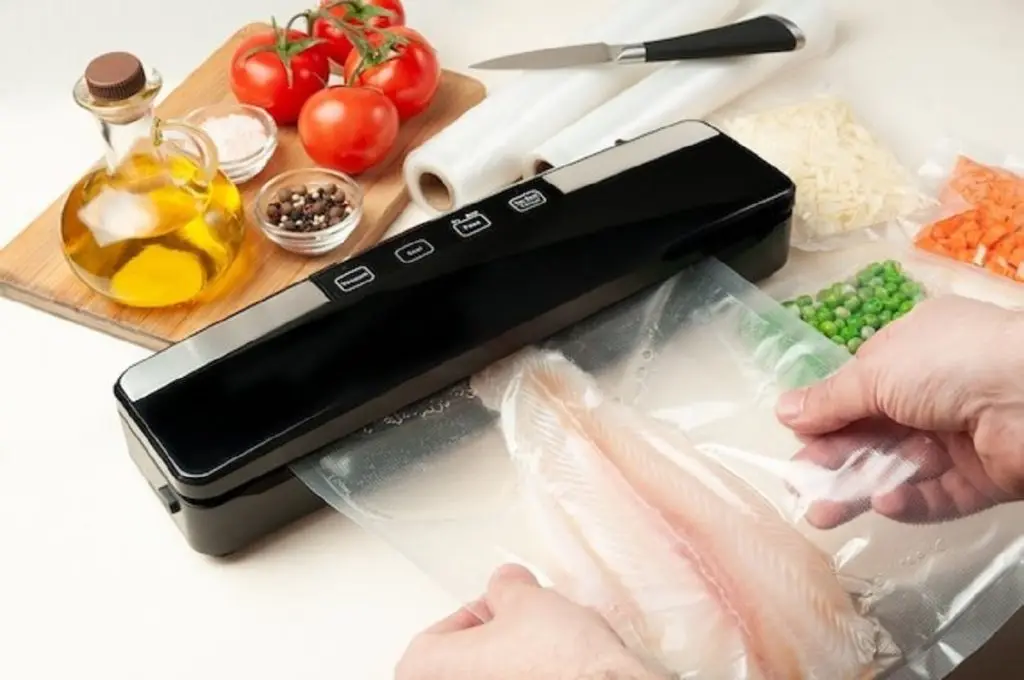
Source: vevor.com
Bags and containers that work best
The bag matters as much as the machine. How Does a Vacuum Sealer Work with the Wrong Bag? Often, it does not work well.
- Embossed or textured rolls are needed for most edge sealers. The texture makes tiny air channels during vacuum.
- Smooth pouches work in chamber sealers. They are cheaper by the unit and seal flat.
- Thicker bags block oxygen better. Look for multi layer films with strong oxygen barriers.
- Jars and canisters can connect with a hose. Great for nuts, coffee, and dry goods.
Tips from my kitchen tests:
- Freeze wet foods until firm before sealing.
- For sharp bones, wrap with parchment before bagging.
- Double seal fatty cuts if you plan for long storage.
Benefits you can expect
People ask How Does A Vacuum Sealer Work to save money and time. Here is what you gain.
- Longer freshness in fridge and freezer due to less air and moisture loss.
- Less freezer burn because ice crystals do not form as fast.
- Better sous vide results since bags stay sealed and food stays submerged.
- More space in the freezer as flat bags stack well.
- Easier portion control for meal prep and snacks.
I have cut my weekly food waste in half by sealing meat packs and cooked grains. Leftover steak still tastes like steak on day three, not like the fridge.

Source: argiontechnology.com
Limits and safety you must know
It is key to set real rules here. Vacuum sealing is not a magic safety switch. It does not kill germs. It only removes air.
- Some germs grow well with low oxygen. Do not store low acid, cooked foods at room temp.
- Keep the cold chain. Chill food fast. Seal cold food. Return to the fridge or freezer at once.
- Date and label every bag. Use first in, first out.
- Reheat sealed foods to safe temps when needed.
How Does A Vacuum Sealer Work with liquids? It can pull liquid into the pump. Use the pulse button, pre freeze the liquid, or use a chamber unit. For soft items like berries, freeze on a tray first. Then seal to keep shape.
Real world uses and pro tips
I have sealed hundreds of bags across home and test kitchens. These simple habits pay off.
- Bulk buying meat. Pat dry, portion, seal, and freeze flat for fast thaw.
- Sous vide. Seal steaks with butter or herbs. The bag stays tight in the bath.
- Cheese care. Re seal after each use to slow mold growth.
- Coffee and nuts. Use canisters or jar lids to protect aroma.
- Camping. Pack full meals. Bags stay dry and clean in a cooler.
Lessons learned the hard way:
- Do not overfill bags. Leave room for a good seal.
- Wipe the bag mouth dry. Moisture weakens the bond.
- Run cool down time between seals so the bar does not overheat.
- Keep a spare Teflon strip and foam gasket on hand.

Source: argiontechnology.com
Troubleshooting and maintenance
When you know How Does A Vacuum Sealer Work, fixing issues gets easy.
- Weak vacuum. Check gasket wear, lid lock, and bag texture.
- Seal fails. Clean the seal bar and replace the Teflon if scratched.
- Liquid in the channel. Clean at once. Let it dry before next use.
- Overheating. Give the unit short rests between runs.
Care tips:
- Wipe the gasket and channel after each session.
- Do not fold the bag across the seal bar.
- Store rolls in a dry spot.
- Replace gaskets when they look flat or cracked.
Buying guide: pick the right sealer
Before you buy, match the tool to your food and space.
- Food type. Soups and sauces point to a chamber unit. Dry cuts are fine with an edge sealer.
- Duty cycle. Big batch users need a strong pump and a fan cooled bar.
- Controls. Pulse mode, seal only, and gentle vacuum help with soft foods.
- Bag cost. Chamber bags cost less. Edge rolls cost more per bag.
- Size. Make sure the seal bar fits your bag width.
- Extras. A hose port for jars adds range without clutter.
Ask yourself one key filter: How Does A Vacuum Sealer Work for what I cook each week? Let that drive the choice, not just price.
Frequently Asked Questions of How Does A Vacuum Sealer Work?
What foods should I not vacuum seal?
Do not seal raw mushrooms, fresh garlic, or soft cheeses for room temp storage. They need airflow and can spoil fast in low oxygen.
Can I vacuum seal liquids?
Yes, but freeze them first or use a chamber sealer. For edge units, use pulse mode and keep the liquid below the seal area.
How long does vacuum sealed food last?
It varies by food and storage temp. Vacuum sealing slows spoilage, but you still must refrigerate or freeze as usual.
Are vacuum sealer bags reusable?
You can wash and reuse bags used for dry foods. Do not reuse bags that held raw meat or oily foods, as odors and germs may remain.
Is vacuum sealing safe for sous vide?
Yes. Use heat safe bags and good seals. Keep the bath at safe temps and chill sealed food fast if you store it after cooking.
Conclusion
You now know How Does A Vacuum Sealer Work from the inside out. The pump removes air. The bar seals the bag. Oxygen drops. Food stays fresh for longer. With the right bags and simple care, this tool can cut waste and save time.
Start small this week. Seal one bulk buy or prep a sous vide dinner. Label, date, and track how it goes. Share your wins or questions, and subscribe for more field tested kitchen guides.
